
Shotgun Metagenomics
4 articles

Shotgun Metagenomics vs. Metatranscriptomics: Choosing Between a Microbiome's Potential and Its Activity
Shotgun metagenomics sequences DNA to reveal a microbial community's genetic potential and composition, acting as a 'static map'. Metatranscriptomics sequences RNA to show real-time gene expression and activity, providing a 'dynamic image'.
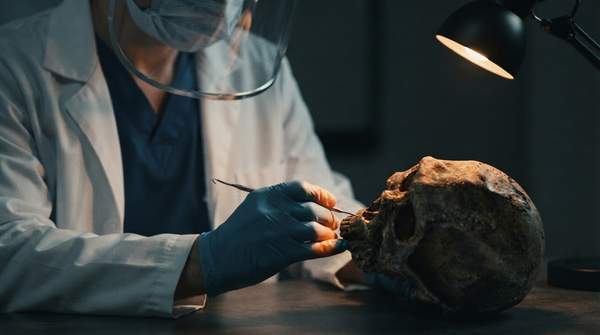
Choosing the Right Ancient DNA Source and Method for Ecosystem Reconstruction
Ancient DNA analysis reconstructs past ecosystems by matching source material like sediments and archaeological remains with sequencing methods such as metabarcoding and shotgun metagenomics to address specific ecological questions. This approach provides crucial data for informing conservation decisions and forecasting ecosystem trajectories.

Who Is There, What Can They Do, or What Are They Doing? Choosing a Human Microbiome Analysis Method
Choosing the right human microbiome analysis method—16S rRNA sequencing, shotgun metagenomics, or metatranscriptomics—is crucial for obtaining meaningful biological insights, as each method answers a distinct question about community composition, potential, or activity.
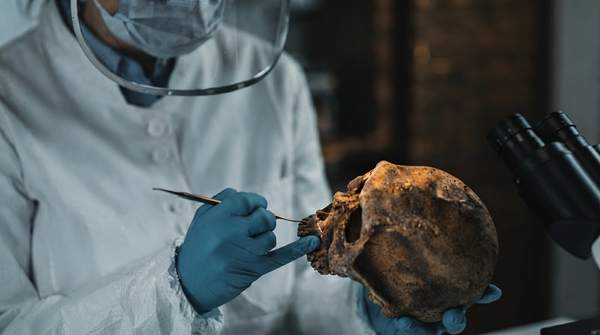
Shotgun vs. Targeted Capture: Choosing the Right Tool to Uncover Ancient Diseases
Scientists must choose between broad, untargeted shotgun metagenomics for discovering unknown ancient pathogens and sensitive, targeted DNA capture for screening known agents. This decision depends on the research question, sample quality, and cost, balancing discovery versus focused screening.