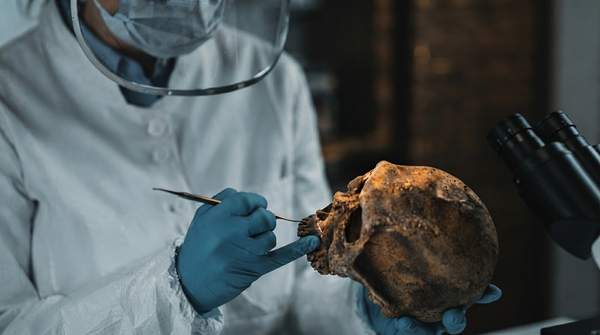
Scientists seeking to identify the pathogens responsible for historical epidemics face a critical decision when analyzing ancient human remains. The choice between two primary DNA analysis techniques—shotgun metagenomics and targeted DNA capture—dictates the scope, sensitivity, and cost of their investigation. This decision represents a fundamental trade-off: a broad, untargeted search for any and all microbial DNA versus a highly sensitive, focused screening for specific, known pathogens. The right selection depends entirely on the research question, whether it is to discover an unknown killer or to track the spread of an infamous one.
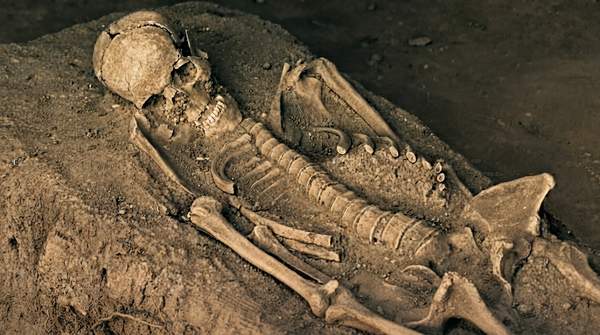
Unlocking these genetic secrets is an immense technical challenge. DNA from archaeological samples is almost always severely degraded, shattered into tiny fragments over centuries or millennia. Furthermore, the genetic material of a disease-causing organism is often a whisper in a storm of other DNA. It is typically a minuscule fraction of the total genetic material recovered, which is overwhelmingly dominated by DNA from the human host and a vast array of microbes from the surrounding burial environment. This makes any sequence-based characterization a delicate balance between sensitivity and specificity, demanding robust methods and stringent standards to distinguish a true ancient pathogen from modern contamination.