
Exoplanet Atmospheres
4 articles
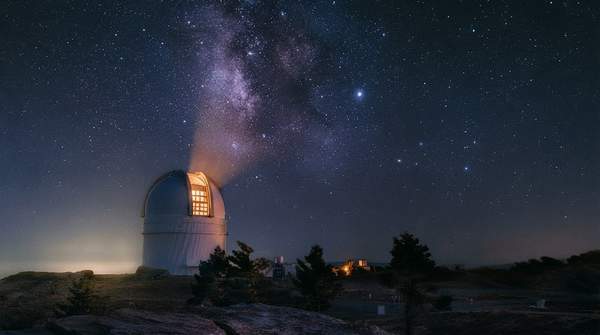
Three Ways to Read an Alien Atmosphere: How Astronomers Compare Transmission, Emission, and Direct-Imaging Spectroscopy
Astronomers characterize exoplanet atmospheres using three spectroscopic methods: transmission, emission/phase-curve analysis, and direct imaging. Each technique offers unique insights into composition, temperature, and potential biosignatures, but also faces distinct limitations.
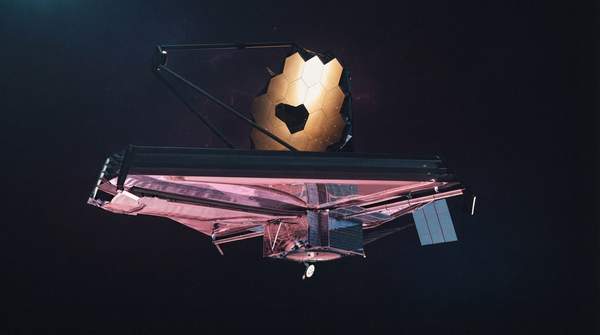
How JWST's MIRI Reads the Heat of Distant Worlds
JWST's MIRI instrument uniquely detects the mid-infrared glow of exoplanets, enabling precise measurements of their temperatures and atmospheric compositions. This capability allows astronomers to study cooler, rocky worlds like TRAPPIST-1 b, providing insights into their thermal balance and potential for atmospheres.
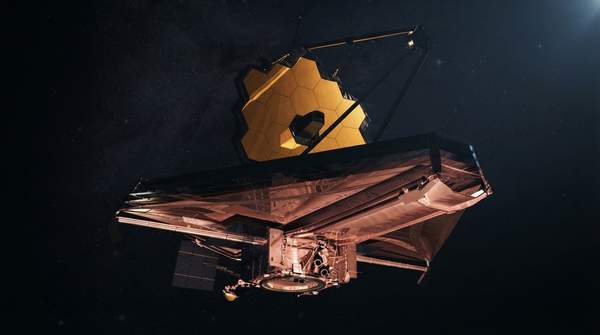
How JWST Reads Exoplanet Air: Transmission and Emission Spectroscopy Compared
The James Webb Space Telescope employs transmission and emission spectroscopy to analyze exoplanet atmospheres, revealing their composition, temperature, and weather patterns. These complementary techniques are crucial for understanding alien worlds and advancing the search for life beyond Earth.
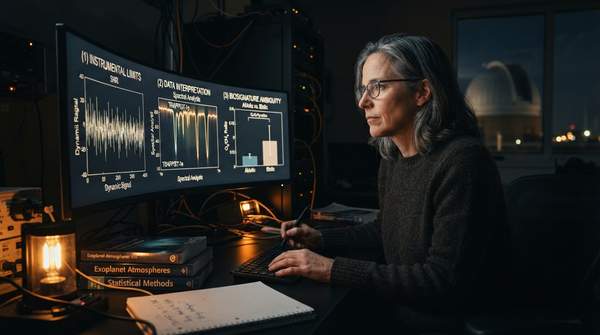
The Triple Challenge of Finding Life on Other Worlds
The search for life beyond Earth relies on detecting biosignatures in exoplanet atmospheres, a process fraught with immense difficulty. Scientists face three sequential hurdles: overcoming observational limits, accurately interpreting complex data, and definitively proving a biological origin over geological explanations.