
Paleoanthropology
4 articles
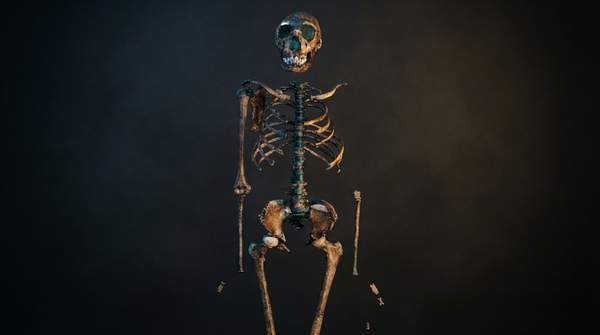
How Turkana Boy Revealed the Body, Growth, and Stride of Homo erectus
The discovery of the nearly complete Homo erectus skeleton, Turkana Boy (KNM-WT 15000), in 1984 revolutionized paleoanthropology by providing crucial data on the species' body plan, growth rates, and adaptations for terrestrial life.
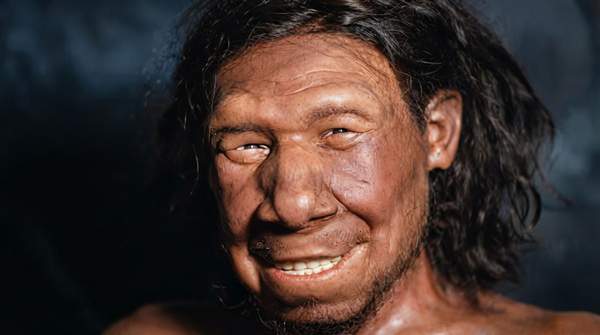
What Ancient Dental Calculus Reveals: Microfossils, DNA, and Proteins as Windows on Human Diet, Health, and Environment
Ancient dental calculus, hardened plaque on teeth, serves as a unique fossilized record preserving microfossils, DNA, and proteins. These components offer rich insights into ancient human diet, health, disease, and environment, complementing traditional archaeological evidence.
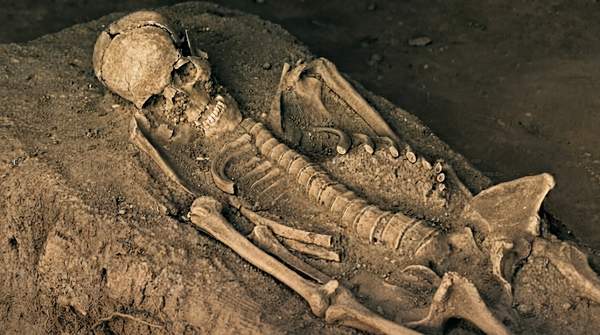
Comparing Techniques for Reconstructing Ancient Hominin Diets
Understanding ancient hominin diets is crucial for evolutionary studies. This article compares Stable Isotope Analysis, Dental Microwear Texture Analysis, and Paleoproteomics, highlighting their strengths, limitations, and the benefits of multi-proxy approaches for robust dietary reconstructions.

Homo floresiensis gait analysis reveals primitive stride
Despite its small stature, Homo erectus left footprints indistinguishable from modern habitually barefoot people, revealing a surprisingly advanced gait 1.