Ancient dental calculus—hardened plaque on teeth—is the only part of the body that fossilizes during life, and it turns out to be one of archaeology's richest records. As Christina Warinner, a biomolecular archaeologist at Harvard and the Max Planck Institute for Evolutionary Anthropology who helped pioneer the field, has explained, these crusty deposits preserve genetic material so well that they can reveal what people ate, what diseases they battled, and even what kinds of work they might have done. Calculus preserves three broad categories of evidence—microfossils, DNA, and proteins—each telling a distinct story about diet, health, and environment that bones and stone tools cannot.
Ancient Dental Calculus: A Unique Window into Human History
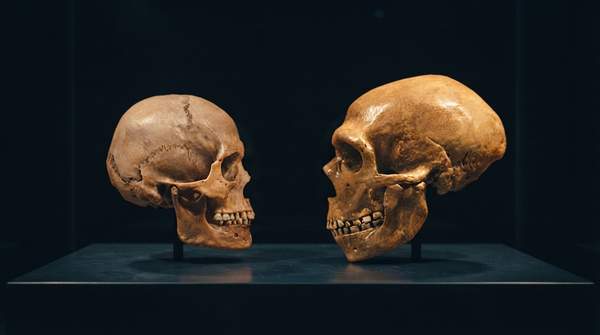
Dental calculus is a calcified form of tooth plaque that builds up on living teeth, mineralizing in layers as a person goes about their daily life. According to a review in the British Dental Journal, authored by J. Li, it serves as a miniature time capsule preserving traces of ancient human life: insights into diet, lifestyle, migration, and environmental interactions. Analysis of its microfossils, chemical components, and molecular markers has revealed transitions from foraging to farming, the development of early agriculture, and dietary differences between Neanderthals and modern humans.
What makes calculus scientifically exceptional is its preservative power. Warinner notes that dental calculus is the richest known source of ancient DNA in the archaeological record. Where skeletal remains, ceramic residues, and faunal assemblages offer fragmentary glimpses of the past, a single calcified deposit can hold dietary debris, the genetic remnants of oral microbes and pathogens, and intact food proteins simultaneously. But that richness comes at a price: the same review cautions that the material's complex methodology and interpretive challenges demand careful consideration. Understanding what each type of evidence can—and cannot—tell us is the key to using it well.