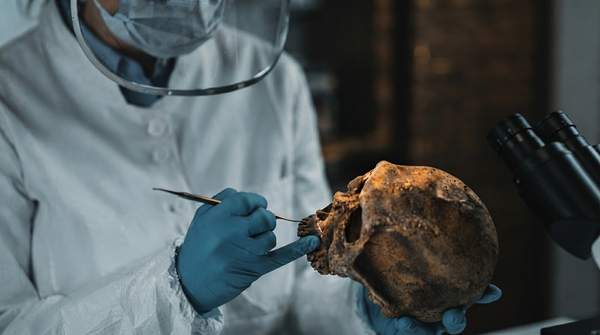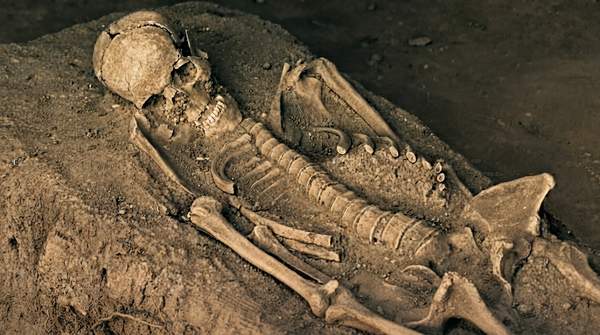
Understanding the diets of ancient hominins is crucial for reconstructing their evolutionary history and ecological adaptations. Paleoanthropologists and archaeologists employ a variety of analytical techniques to glean insights from skeletal and dental remains, each offering distinct advantages and limitations. These methods vary significantly in their material requirements, the temporal window of dietary information they provide, their specificity in identifying food items, and their invasiveness to precious fossil samples.
For researchers aiming to select the most appropriate analytical technique for their specific questions and available materials, a clear understanding of these trade-offs is essential. We will explore Stable Isotope Analysis, Dental Microwear Texture Analysis, and Paleoproteomics, examining how each contributes to our understanding of ancient diets and how combining them can paint a more complete picture.
Stable Isotope Analysis: Tracing Long-Term Dietary Patterns
Stable isotope analysis (SIA) of teeth and bones is a widely applied method for reconstructing the diets, ecologies, and environments of past hominin populations, as noted in research published by PMC. This technique relies on the principle that the isotopic ratios of elements like carbon and nitrogen in an individual's tissues reflect the isotopic composition of the foods they consumed. By analyzing these ratios, researchers can infer an organism's trophic level and broad dietary categories.
The materials required for SIA typically include bone collagen, dentine collagen, or apatite from bone or tooth material. The temporal resolution of SIA varies depending on the tissue analyzed. Bone collagen, for instance, generally reflects the average diet over the last 5 to 10 years of an individual's life. Dentine, however, can offer a higher-resolution, incremental record of dietary changes, potentially revealing seasonal shifts, according to research on micro-sampling human dentine collagen.
While SIA is excellent for determining broad dietary categories, such as the consumption of C3 versus C4 plants or marine versus terrestrial resources, it offers less specificity in identifying individual food items without more advanced compound-specific analysis. The method is considered destructive, as it involves sampling bone or tooth material to extract collagen or apatite, though the degree of destructiveness can vary with sampling techniques.
Dental Microwear Texture Analysis: Insights into Last Meals
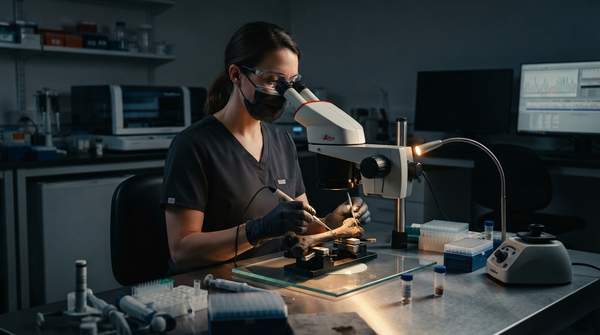
Dental Microwear Texture Analysis (DMTA) provides a different window into ancient diets, focusing on the microscopic wear patterns on tooth enamel surfaces. These patterns are formed by the physical properties of foods consumed and the way they are processed in the mouth. Researchers like M.F. Teaford and A.C. Walker have used quantitative differences in dental microwear to infer feeding behaviors of extinct primates.
This technique primarily requires tooth enamel surfaces, typically from molars or premolars. Unlike stable isotopes, DMTA offers a very short-term dietary signal, reflecting the diet consumed in the days or weeks immediately prior to an individual's death. This is because microwear patterns are dynamic and change rapidly with diet, as noted in research from the University of California, San Diego.
DMTA indicates the physical properties of food items—such as whether they were tough, abrasive, or brittle—rather than identifying specific species. This provides insights into feeding behaviors and food processing. A significant advantage of DMTA is its relatively low invasiveness; it can often be performed using high-resolution replicas of tooth crowns, minimizing direct damage to original specimens, as detailed in a protocol for optimizing sampling of ancient teeth.