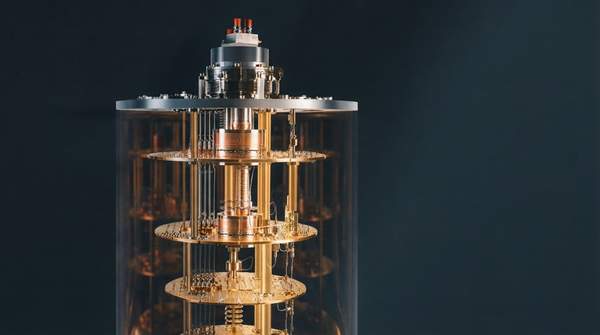
For optimization problems in logistics and materials science, the choice between the two leading quantum architectures comes down to a simple distinction: quantum annealers are specialized machines built to find the lowest-energy solution to a problem, and they are already being applied to realistic routing and scheduling tasks today, while gate-based quantum computers are universal machines designed to run any quantum algorithm, including the molecular simulations materials scientists ultimately want, but they remain short of the qubit capacity needed for real-world problems. Neither is a better computer in the abstract; they are different tools for different jobs.
Introduction to Quantum Computing for Optimization
The interest in quantum computing for optimization stems from a mismatch between classical hardware and certain problem structures. As an explainer published by Quantum Zeitgeist puts it, classical computers handle linear algebra and many optimization tasks well, but they struggle with problems involving non-linear relationships or complex interactions, whereas quantum computers have shown particular effectiveness at problems rooted in quantum mechanics, such as simulating the behavior of molecules and materials. That gap is exactly where logistics and materials science live: routing a fleet through a congested network or predicting how a candidate battery material behaves both involve combinatorial interactions that explode exponentially as the problem grows.
Two architectural families have emerged to attack these problems. They share the same underlying physics—qubits, superposition, and quantum effects—but they use those resources in fundamentally different ways, and that difference determines which problems each can realistically address.