
Chemosynthesis
4 articles
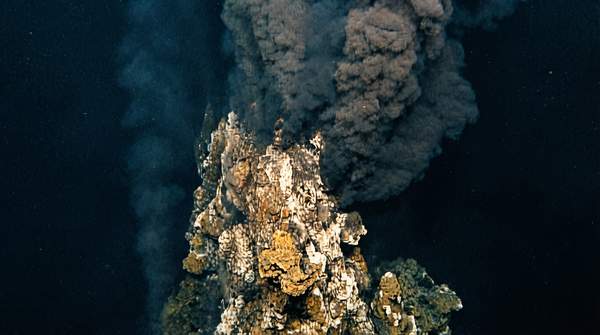
Chemical Clues to Alien Life: How Deep-Sea Vents Guide the Search
Deep-sea hydrothermal vents, powered by chemical energy, redefine our understanding of life's requirements and serve as primary models for astrobiologists. Studying their chemosynthesis pathways helps identify potential habitable environments on other planets and moons.
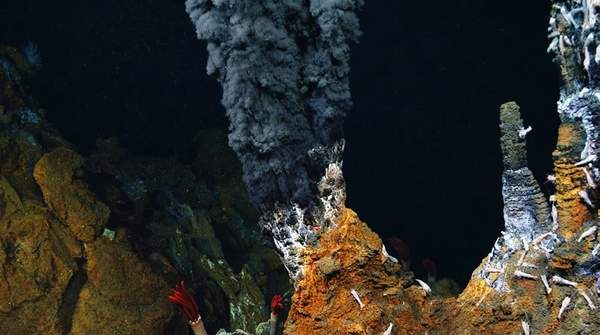
Deep-Sea Vents: A Blueprint for Life Beyond Earth
Deep-sea hydrothermal vents host unique ecosystems powered by Earth's internal heat and chemosynthesis, redefining our understanding of life. These sunless environments serve as a primary model for how life might exist on other ocean worlds and potentially where life on Earth began.

What Are Deep-Sea Chemosynthetic Ecosystems and Why Do They Matter?
At temperatures exceeding 100°C, where water should boil, specialized Archaea like Pyrolobus fumarii not only survive but thrive, with an optimal growth temperature of 106°C, according to ScienceDirec

Arctic's Deepest 'Fire Ice' Mounds Reveal a Unique and Vulnerable Ecosystem
Scientists have discovered a unique deep-sea ecosystem thriving on methane and oil seeps at the Freya Hydrate Mounds in the Arctic's Greenland Sea, representing the deepest known gas hydrate cold seep in the region. This ultra-deep habitat reveals surprising ecological connections and raises urgent questions about safeguarding polar regions from resource exploration.