
Ancient Dna
7 articles
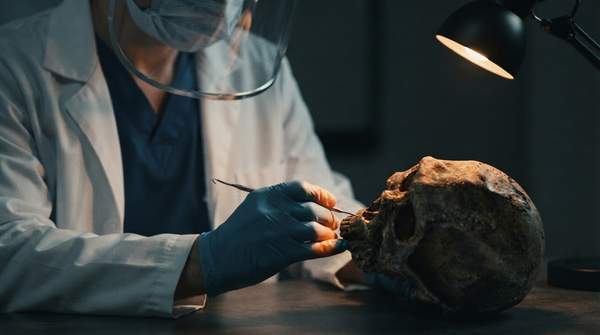
Choosing the Right Ancient DNA Source and Method for Ecosystem Reconstruction
Ancient DNA analysis reconstructs past ecosystems by matching source material like sediments and archaeological remains with sequencing methods such as metabarcoding and shotgun metagenomics to address specific ecological questions. This approach provides crucial data for informing conservation decisions and forecasting ecosystem trajectories.
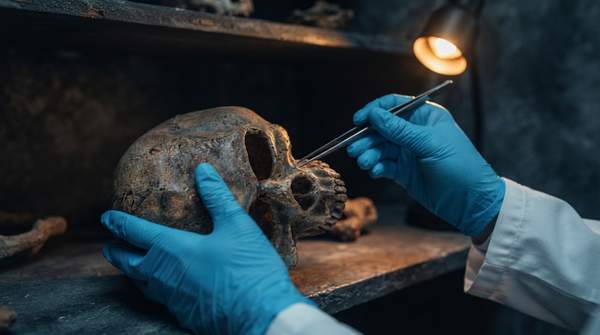
From Bone Powder to Ancient Genome: How Scientists Extract and Authenticate DNA from the Deep Past
Scientists employ a rigorous, multi-stage workflow to extract and authenticate ancient DNA (aDNA) from fossilized remains. This process involves meticulous sample preparation, DNA extraction, and bioinformatic analysis, all guarded by stringent controls to prevent contamination and ensure data reliability.
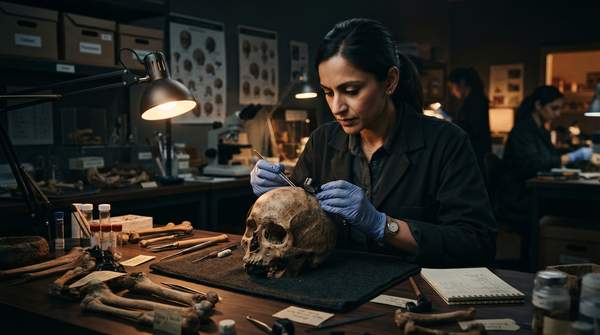
How Scientists Identify the Dead of Ancient Burials: Bones, Isotopes and DNA
Scientists employ a combination of osteological examination, isotope analysis, and ancient DNA testing to identify individuals in ancient burials. These methods, used in conjunction, help reconstruct life histories and overcome challenges posed by commingled or reused remains.
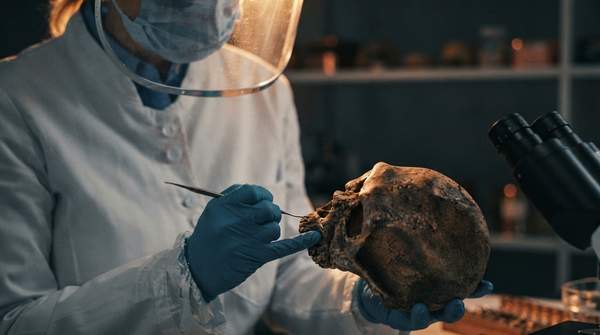
How Ancient DNA Put a Number on the Anglo-Saxon Migration
Ancient DNA analysis has provided a quantitative figure for the Anglo-Saxon migration to Britain, estimating that present-day English populations derive about a third of their ancestry from these migrants, transforming long-standing debates into empirically answerable questions.
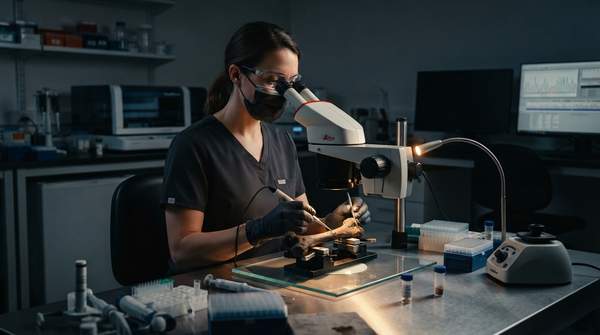
Unraveling Prehistoric Human Migration: The Methodologies of Ancient DNA Analysis
Ancient DNA (aDNA) analysis provides direct genetic evidence to reconstruct prehistoric human migration and population dynamics. The article details specialized methodologies, from laboratory preparation and sequencing to bioinformatic analysis and population genetic statistics, used to overcome aDNA's challenges and uncover past human mobility and admixture.
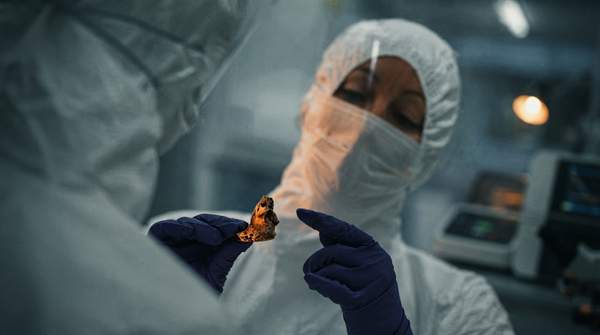
Navigating Ancient DNA Analysis: Methods, Contamination Control, and Ethical Engagement
Ancient DNA analysis offers profound insights into history but faces challenges from sample degradation and contamination, requiring specialized methods and rigorous ethical frameworks. Responsible research integrates advanced techniques with community engagement and respect for human remains.

More Than Mating: How Ancient DNA Uncovered the Diverse Legacies of Interspecies Breeding
Analysis of ancient DNA reveals that interspecies breeding has been a significant and diverse force in the evolution of many species, including humans. These ancient genetic exchanges have provided adaptive traits, boosted genetic diversity in endangered populations, and shaped complex histories of life on Earth.