
Dr. Elena Ortiz
Editorial byline
Dr. Elena Ortiz is an editorial byline for Science and Exploration, with a focus on Climate change impacts, Biodiversity and conservation efforts, Polar expeditions. Biographical credentials and external profiles are published only after verification.
Learn more about our editorial process and use of automation in our AI & Automation disclosure.
Coverage Areas
Latest Articles
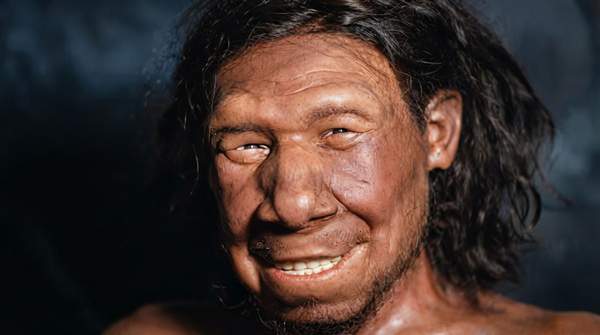
What Ancient Dental Calculus Reveals: Microfossils, DNA, and Proteins as Windows on Human Diet, Health, and Environment
Ancient dental calculus, hardened plaque on teeth, serves as a unique fossilized record preserving microfossils, DNA, and proteins. These components offer rich insights into ancient human diet, health, disease, and environment, complementing traditional archaeological evidence.
Nov 10, 2026 · 6 min read
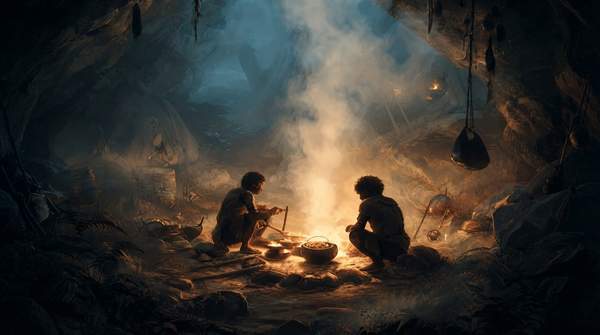
How Controlled Fire Rewired Human Evolution: Diet, Brains, and Society
Controlled fire was a primary selective pressure that fundamentally reshaped human evolution, driving changes in diet, brain size, social structures, and technology. This article traces how cooking, social gathering, and tool-making around the hearth created a feedback loop that catalyzed human uniqueness.
Nov 9, 2026 · 5 min read
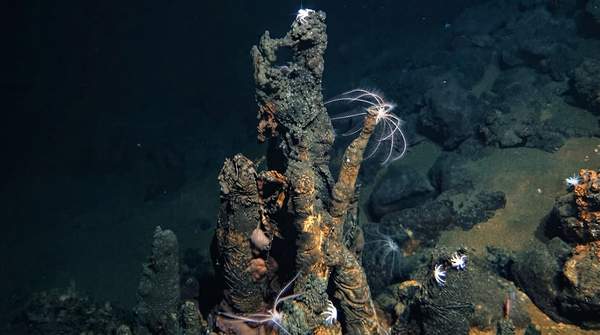
From Magma to Microbes: How Hydrothermal Vents Build Ecosystems Without Sunlight
Hydrothermal vents on the seafloor host unique ecosystems that thrive in total darkness, powered by chemical energy from Earth's interior rather than sunlight. Microbes perform chemosynthesis, converting toxic vent fluids into food, forming the base of a complex food web in extreme environments.
Nov 8, 2026 · 6 min read
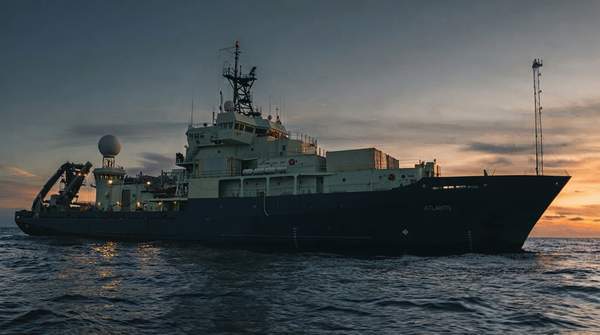
How the Atlantic's Overturning Circulation Works — and What Its Weakening Means for the Planet
The Atlantic Meridional Overturning Circulation (AMOC) is a vital ocean current system that transports heat globally. Evidence suggests it is weakening, potentially leading to significant regional climate shifts and global impacts.
Nov 8, 2026 · 5 min read
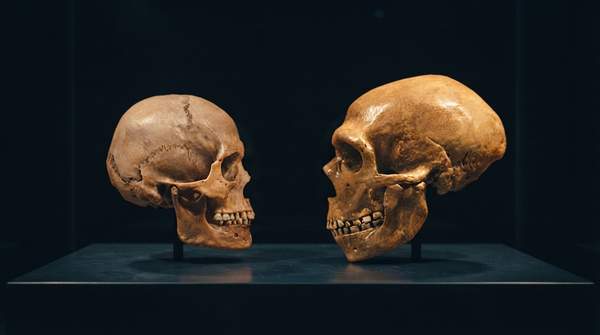
Reading Plague and Gum Disease Genes: How Ancient Pathogen DNA Rewrites Human History
Ancient pathogen DNA analysis offers direct molecular evidence of human-disease co-evolution, revealing prehistoric migrations and the selective pressures that shaped our immune systems. By studying microbial genes from ancient remains, scientists can reconstruct human history and inform modern health strategies.
Nov 7, 2026 · 5 min read
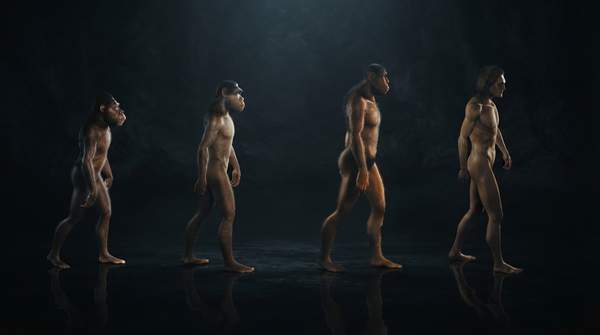
Ethics in the Ancient Genome: How Researchers Navigate Consent, Remains and the Fight Over Open Data
Ancient DNA research faces unique ethical dilemmas concerning consent from ancestral remains, responsible handling of human tissues, and balancing open data principles with Indigenous Data Sovereignty. Researchers must navigate these complex issues through self-regulation and stakeholder engagement.
Nov 5, 2026 · 5 min read
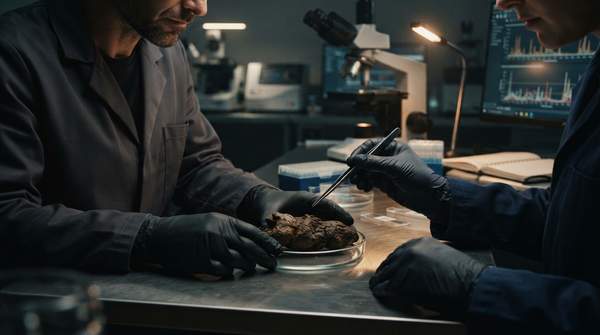
What Ancient Poop Reveals About the Gut Bacteria We've Lost
Analysis of ancient feces reveals that modern industrialized guts have lost dozens of bacterial species and much of their diversity compared to ancestors from 1,000-2,000 years ago, a loss linked to higher rates of chronic diseases.
Nov 2, 2026 · 4 min read
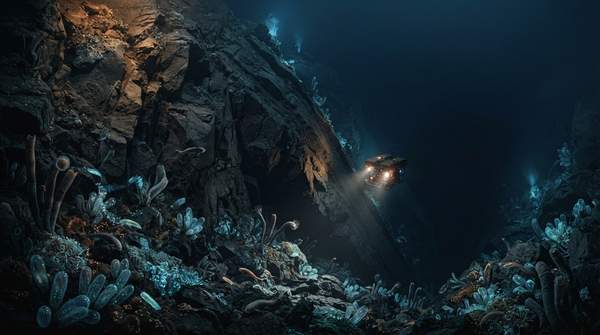
How Subduction Builds the Ocean's Deepest Trenches—and the Strange Life That Calls Them Home
Deep-sea trenches, formed by tectonic plate subduction, create extreme hadal environments characterized by immense pressure and darkness. Despite these conditions, unique life forms thrive, relying on sinking organic matter and chemosynthesis, making trenches vital geological and biological research sites.
Nov 1, 2026 · 5 min read
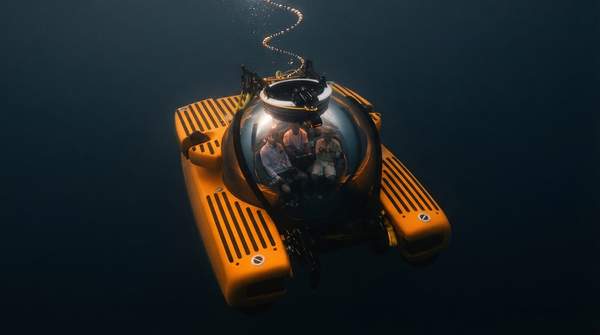
Four Compound Classes That Make the Deep Sea a Drug Discovery Frontier
The deep sea's extreme conditions foster unique bioactive compounds, presenting a promising frontier for drug discovery. Researchers are exploring key compound classes but face significant challenges in accessing organisms and scaling production for therapeutic development.
Nov 1, 2026 · 5 min read
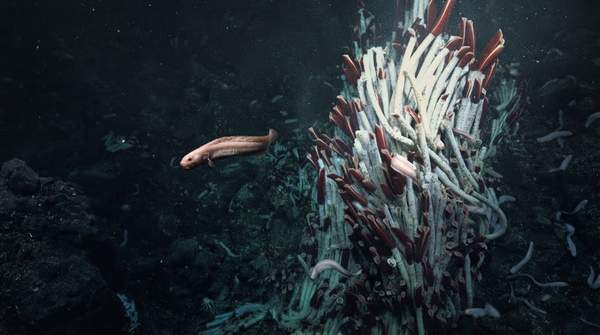
Two Pathways, One Foundation: How Chemosynthesis Powers Life at Deep-Sea Vents and Cold Seeps
Chemosynthesis is the foundation for life at deep-sea hydrothermal vents and cold seeps, utilizing chemical energy instead of sunlight. These distinct ecosystems are powered by different chemical pathways: sulfur oxidation at vents and methane oxidation at seeps.
Oct 30, 2026 · 4 min read
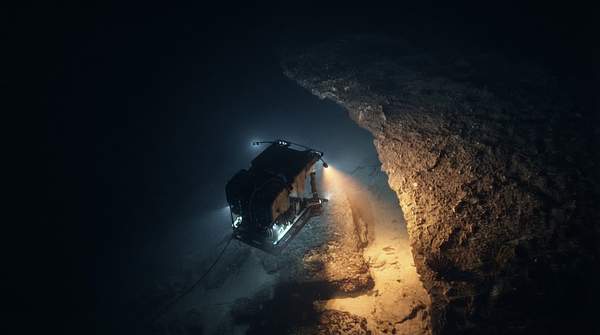
Three Ways to Sample the Deep Sea: ROVs, In-Situ Pumps, and Grab Samplers Compared
Selecting the appropriate deep-sea sampling method, whether ROV-deployed tools, in-situ pumps, or grab samplers, is critical for research success. Each technique offers unique strengths for collecting specific sample types, balancing precision, integrity, and cost.
Oct 28, 2026 · 5 min read
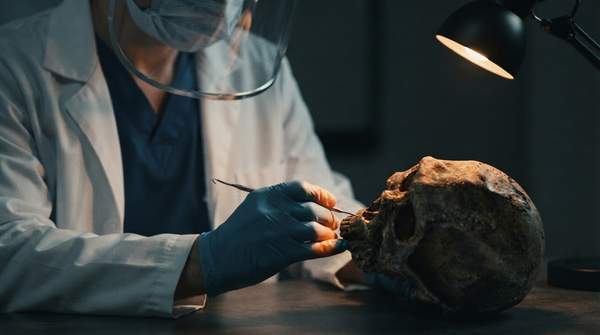
Choosing the Right Ancient DNA Source and Method for Ecosystem Reconstruction
Ancient DNA analysis reconstructs past ecosystems by matching source material like sediments and archaeological remains with sequencing methods such as metabarcoding and shotgun metagenomics to address specific ecological questions. This approach provides crucial data for informing conservation decisions and forecasting ecosystem trajectories.
Oct 27, 2026 · 5 min read
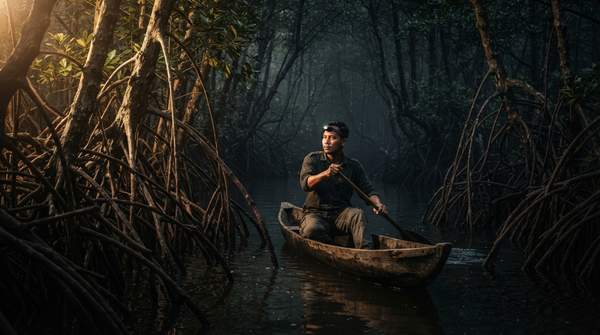
Southeast Asia's Mangroves: The World's Largest Blue Carbon Opportunity Meets Its Hardest Challenges
Southeast Asia's mangroves, holding one-third of the world's total, represent a critical blue carbon opportunity, functioning as a substantial net carbon sink. However, escalating threats from land conversion and policy implementation challenges hinder their full climate mitigation potential.
Oct 27, 2026 · 4 min read
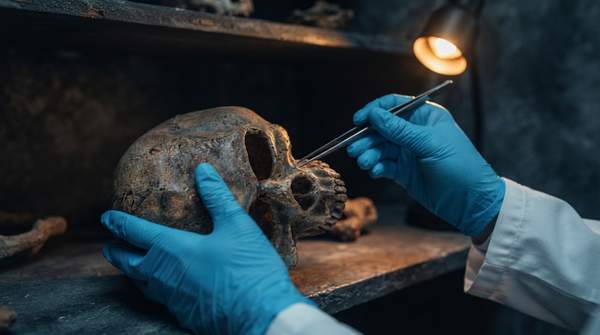
From Bone Powder to Ancient Genome: How Scientists Extract and Authenticate DNA from the Deep Past
Scientists employ a rigorous, multi-stage workflow to extract and authenticate ancient DNA (aDNA) from fossilized remains. This process involves meticulous sample preparation, DNA extraction, and bioinformatic analysis, all guarded by stringent controls to prevent contamination and ensure data reliability.
Oct 26, 2026 · 5 min read
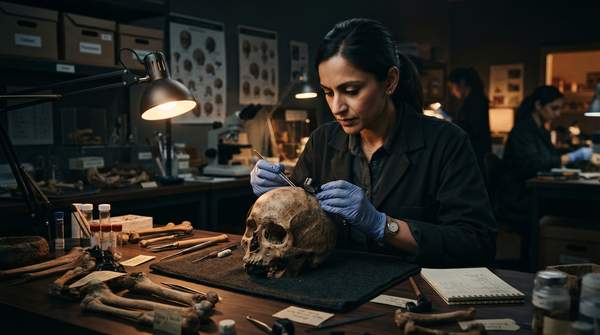
How Scientists Identify the Dead of Ancient Burials: Bones, Isotopes and DNA
Scientists employ a combination of osteological examination, isotope analysis, and ancient DNA testing to identify individuals in ancient burials. These methods, used in conjunction, help reconstruct life histories and overcome challenges posed by commingled or reused remains.
Oct 25, 2026 · 6 min read
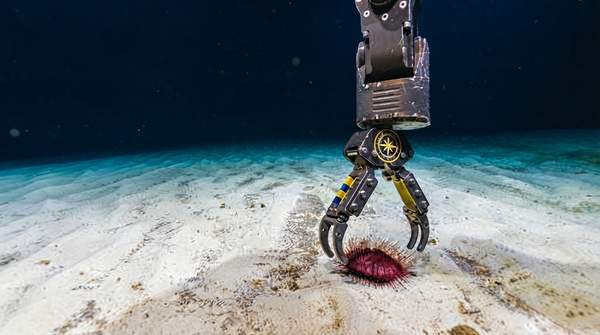
Grabs, Slurps, and Pressure-Tight Traps: Which Deep-Sea Sampler Fits Which Organism
Selecting deep-sea biological sampling tools involves a critical trade-off between ease of capture and sample integrity upon return to the surface. Pressure-retaining samplers are essential for preserving the physiology of deep-sea organisms sensitive to decompression.
Oct 22, 2026 · 6 min read
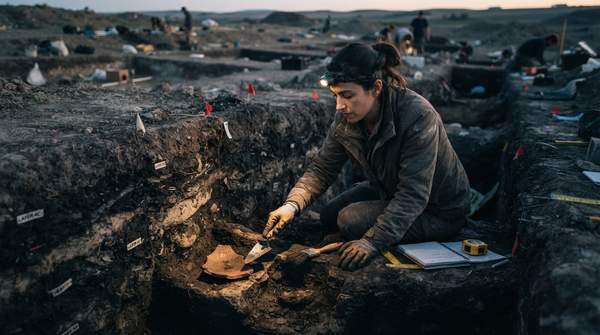
How Archaeologists Turn Layers of Earth into a Timeline of Human Settlement
Archaeologists determine the age of ancient sites by combining relative dating, which orders layers and artifacts chronologically through stratigraphy, with absolute dating methods that assign specific calendar dates. This integrated approach builds a calibrated timeline of human settlement and occupation.
Oct 22, 2026 · 4 min read
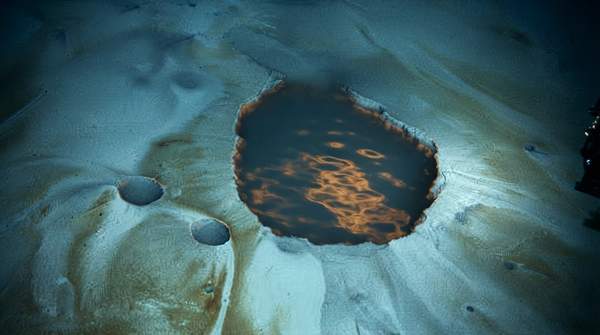
How Deep-Sea Brine Pools Form Underwater Lakes—and Why Life Crowds Their Deadly Shores
Deep-sea brine pools are hypersaline underwater lakes formed by leaching salt deposits, creating extreme environments where unique life thrives at their edges. These isolated ecosystems offer insights into early Earth and the search for extraterrestrial life.
Oct 22, 2026 · 5 min read
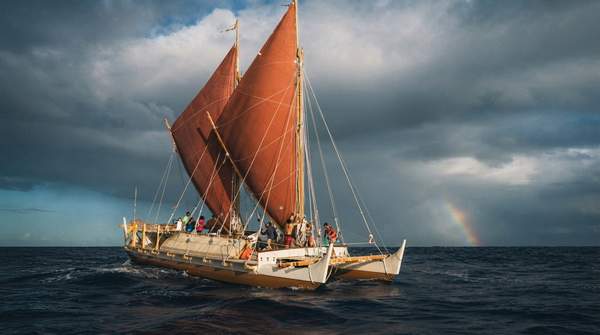
Ice-Free Corridor or Pacific Coast? Why the First Americans May Have Come by Boat
The traditional Ice-Free Corridor theory for the first Americans is challenged by new evidence suggesting a Coastal Migration route by boat was viable much earlier. Archaeological, geological, and genetic data now strongly support people arriving south of the ice sheets before the inland passage opened.
Oct 20, 2026 · 5 min read
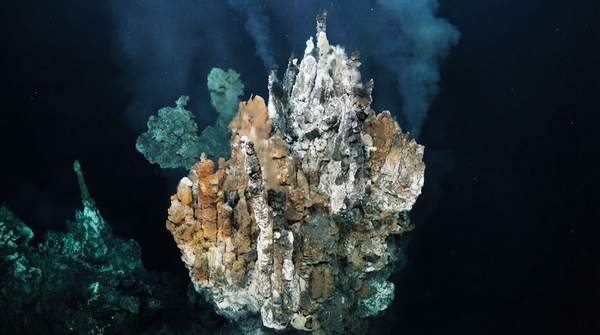
Black Smokers, White Smokers, and Diffuse Vents: How to Tell the Deep Sea's Hydrothermal Vents Apart
Deep-sea hydrothermal vents are classified into three main types: black smokers, white smokers, and diffuse vents, distinguished by their temperature, plume color, and chimney structure. Understanding these differences helps identify the unique geological and chemical processes occurring on the seafloor.
Oct 19, 2026 · 4 min read