On July 21, the human-occupied submersible Alvin plunged to 6,453 meters in the Puerto Rico Trench. This monumental dive now authorizes it to explore 98% of the global seafloor, opening vast, previously hidden ecosystems and geological processes to direct human observation. The U.S. Navy recertified Alvin for 6,500-meter operations after a routine overhaul, according to WHOI.
Alvin has long been a deep-sea workhorse. Yet, this latest recertification shatters previous limits, granting access to depths once beyond human reach. This isn't just an upgrade; it fundamentally reshapes deep-ocean research. With Alvin's proven new capabilities and storied history, a surge of discoveries from the ocean's deepest abysses now appears imminent. We stand at the precipice of a profound scientific revolution, poised to uncover new life forms and geological insights that could redefine our understanding of life, geology, and planetary processes.
Proving the New Depths
Alvin's new capabilities are not theoretical. On July 21, it reached 6,453 meters in the Puerto Rico Trench (Cape Cod Times). The U.S. Navy’s Director, Submarine Programs (DSP), certified the vehicle for 6,500-meter dives, following a 6,374-meter test dive during sea trials (WHOI). These successful tests confirm its enhanced capacity, granting scientists access to nearly 98% of the global seafloor – a staggering expansion of our reach.
Alvin's Enduring Legacy and Investment
With 5,086 successful missions, including the recent Puerto Rico Trench dive (Cape Cod Times), Alvin's legacy is unmatched. Its previous 4,500-meter certification followed a $41-million, multi-year upgrade (WHOI). The latest 6,500-meter recertification, deemed a 'routine overhaul' by WHOI, speaks to a strategic, long-term engineering commitment. This sustained investment proves direct human observation remains indispensable for complex, adaptive exploration in extreme environments – a capability autonomous vehicles cannot yet replicate.
Immediate Missions and Future Prospects
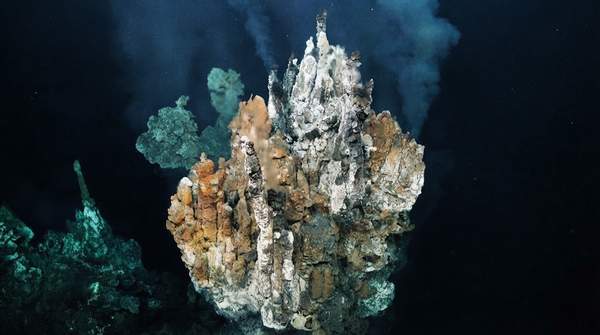
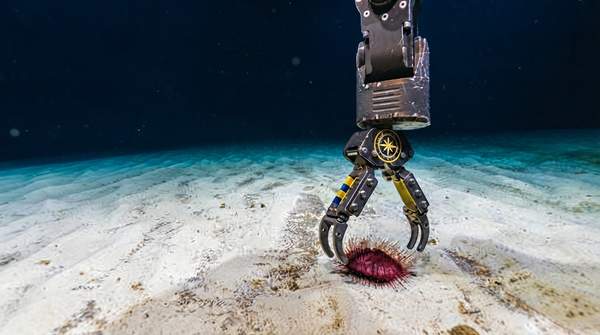
Since recertification, Alvin has already completed 99 dives to sites like the Gulf of Mexico, Juan de Fuca Ridge, and East Pacific Rise (HOV Alvin - Woods Hole Oceanographic Institution). These initial missions leverage its enhanced depth, allowing scientists to probe hydrothermal vents and cold seeps in areas previously inaccessible. Alvin is not just continuing its work; it is spearheading a new era of discovery in Earth's most mysterious environments.
What This Means for Ocean Science
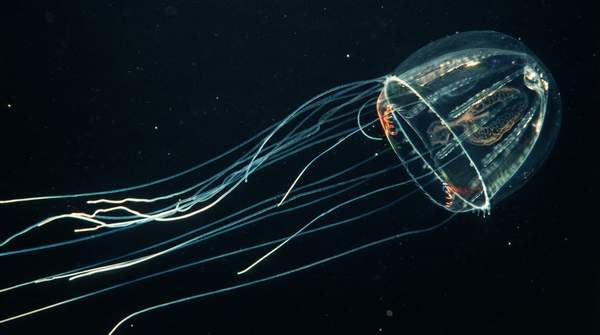
Access to 98% of the global seafloor unleashes unprecedented opportunities for studying deep-sea biodiversity and geological activity. Researchers can now directly observe and sample ecosystems in hadal zones, potentially revealing unique life forms adapted to unimaginable pressures and eternal darkness. Human-occupied submersibles like Alvin remain indispensable, offering unparalleled insights and adaptive flexibility that autonomous vehicles cannot yet replicate. If sustained investment continues, Alvin will likely spearhead a cascade of profound discoveries, reshaping our understanding of Earth's most mysterious frontier for decades to come.
Frequently Asked Questions
When was the Alvin submersible first launched?
The Alvin submersible was first launched in 1964, making its inaugural deep dive later that year. It has operated continuously for decades, undergoing multiple upgrades and recertifications to extend its operational life and capabilities.
What are the latest upgrades to the Alvin submersible?
The most recent upgrades for Alvin's 6,500-meter certification focused on structural integrity and new scientific instrumentation. Prior enhancements included a larger titanium personnel sphere, advanced cameras, improved lighting systems, and more capable robotic manipulators. These upgrades collectively allowed for safer and more extensive data collection at greater depths.
What is the Alvin submersible used for?
The Alvin submersible is primarily used for deep-sea scientific research, including direct observation and sampling. It investigates hydrothermal vents, cold seeps, and other extreme environments to study unique biological communities and geological processes. Its human-occupied design allows scientists to make adaptive observations and decisions in real-time during dives.