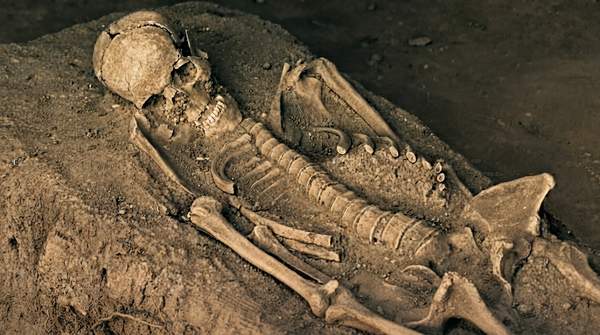
The study of ancient DNA (aDNA) offers profound insights into evolutionary history, human migration, and past populations. However, this field demands highly specialized technical approaches to overcome the inherent degradation and contamination of ancient samples, alongside rigorous ethical frameworks that prioritize respect for human remains and engagement with descendant communities. Scientists must navigate a complex landscape of unique biological challenges and critical ethical responsibilities to ensure data integrity and responsible research practices.
The Unique Challenges of Ancient DNA
Ancient DNA presents distinct characteristics that necessitate specialized analytical methods. Unlike modern DNA, aDNA is typically found in short fragments, often below 100 base pairs, due to post-mortem fragmentation. It also exhibits significant chemical damage, notably oxidative damage and post-mortem cytosine deamination, which results in characteristic C-to-T substitutions, particularly at the ends of DNA strands. Furthermore, the endogenous ancient DNA content in samples is frequently very low, often diluted by a high proportion of environmental microbial DNA or modern human contamination. These inherent qualities mean that standard next-generation sequencing (NGS) protocols are insufficient for reliable aDNA analysis, requiring substantial modifications to extraction and library preparation steps, as highlighted by CD Genomics. Each decision made during these initial phases directly impacts the quantity of usable data recovered downstream.