At temperatures exceeding 100°C, where water should boil, specialized Archaea like Pyrolobus fumarii not only survive but thrive, with an optimal growth temperature of 106°C, according to ScienceDirect. Yet, life in the deep sea, flourishing under extreme heat and chemical toxicity, remains paradoxically fragile against human disturbance. As humanity pushes deeper for resources, these unique, poorly understood chemosynthetic ecosystems face irreversible damage, their resilience to natural extremes contrasting sharply with their vulnerability to industrial activity.
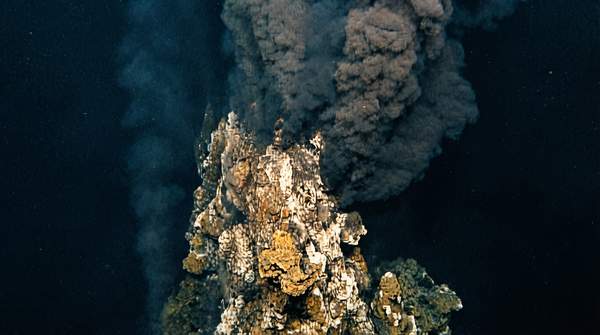
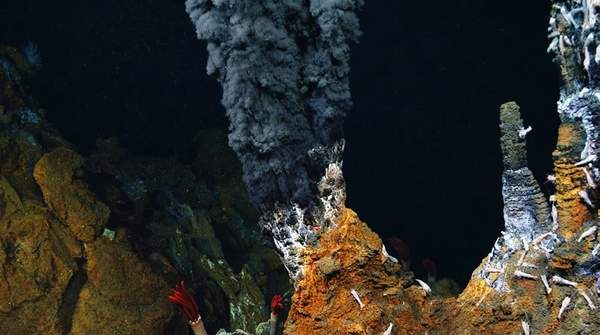
Thousands of meters down, hydrothermal vents unleash water as hot as 400 degrees Celsius, according to PMC. These vents, alongside cold seeps, spew fluids rich in hydrogen sulfide or methane. These compounds react with seawater oxygen, releasing energy that fuels entire deep-sea chemosynthetic ecosystems, according to WHOI. This chemical energy, replacing sunlight, powers life in conditions once deemed impossible, exemplified by Methanopyrus kandleri thriving at 98°C, according to ScienceDirect. Such environments, driven by geological chemistry, force a re-evaluation of biological limits.
What are Deep-Sea Chemosynthetic Ecosystems?
Deep-sea chemosynthetic ecosystems are biological communities fueled by chemical reactions, not sunlight. These underwater worlds, found in areas of intense geological activity like hydrothermal vents and cold seeps, utilize chemicals from Earth's interior. Microorganisms convert inorganic compounds into organic matter, forming the base of a diverse array of specialized life, from bacteria to complex invertebrates. The extremophile life forms here, adapted with specialized proteins and metabolic pathways, redefine our understanding of resilience and hint at life's potential in other extreme environments, on Earth and beyond.
The Architects of Deep-Sea Communities
Archaea like Pyrolobus and Pyrodictium, thriving above 100°C, according to ScienceDirect, are the architects of deep-sea communities. These foundational microorganisms rapidly form biofilms on vent substrates, "conditioning" the environment for other microbes and larger animals, according to PMC. Biofilms develop in days, underscoring their swift, essential role. These chemosynthetic microbes are not just producers; they are engineers, creating the very structures for complex life to flourish. This dynamism, however, makes the entire ecosystem critically dependent on undisturbed physical surfaces, revealing a profound vulnerability beneath their apparent adaptability.

Paradoxical Fragility in Extreme Environments
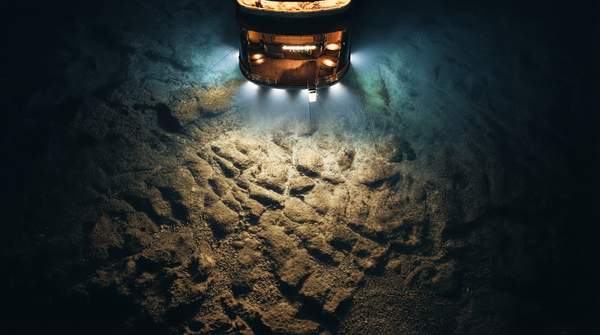
These deep-sea chemosynthetic ecosystems, where life thrives amidst extreme heat and chemical toxicity, are paradoxically fragile. While individual microbes show astonishing resilience, the entire ecosystem's reliance on foundational microbial mats means human industrial activities dismantle the very scaffolding of life. Deep-sea mining, for instance, directly threatens these biofilms and their food webs, according to ScienceDirect. Destroying the seabed prevents the initial "conditioning" vital for a thriving ecosystem, breaking the food chain at its most fundamental level. Since their energy stems from vent fluids, according to WHOI, disrupting these geological sites has consequences far beyond the immediate impact, threatening to erase entire ecosystems before they are fully understood. This vulnerability challenges our very definition of resilience in extreme environments.
Protecting Our Planet's Hidden Treasures
Deep-sea animals, from filter-feeding mussels to grazing crabs, rely entirely on chemosynthetic microorganisms, according to WHOI. This intricate food web demands critical conservation strategies for these fragile, understudied ecosystems, according to Nature. Deep-sea mining, with its seabed destruction and plume generation, threatens benthic organisms and dismantles the very scaffolding of life, according to ScienceDirect. These unique ecosystems, vital for biodiversity and scientific discovery, face irreversible threats. Destroying them before comprehensive study would represent a profound, irreplaceable loss for science and humanity, erasing immense potential for new species, novel compounds, and insights into life's origins.
What are the main types of chemosynthetic ecosystems?
The main types of chemosynthetic ecosystems in the deep sea are hydrothermal vents and cold seeps. Hydrothermal vents release hot fluids rich in hydrogen sulfide from volcanic activity, while cold seeps emit cold, methane-rich fluids from the seafloor. Both environments support distinct microbial communities that form the base of the local food web.
How do deep sea organisms survive without sunlight?
Deep-sea organisms survive without sunlight by utilizing chemosynthesis, a process where microorganisms convert chemical compounds into energy. Instead of light, they use chemicals like hydrogen sulfide or methane, released from geological features such as hydrothermal vents or cold seeps, to produce organic matter. This chemical energy supports entire food webs, from microbes to larger invertebrates.
What is the role of geology in deep sea chemosynthesis?
Geology plays a fundamental role in deep-sea chemosynthesis by providing the chemical energy sources necessary for life. Geological processes, such as tectonic plate movement and volcanic activity, create features like hydrothermal vents and cold seeps. These features release the specific chemical compounds, including hydrogen sulfide and methane, that chemosynthetic microorganisms convert into usable energy, thereby fueling the entire ecosystem.
If robust regulations are not swiftly implemented against the burgeoning deep-sea mining industry, these unique biodiversity of these chemosynthetic ecosystems will likely face severe, irreversible damage before 2026, according to analysis of current deep-sea mining proposals.