More than 175 feet beneath the waves off the coast of Benin, West Africa, a coral reef once considered dead for six decades has been rediscovered, alive and thriving. This deep-sea discovery, made possible by underwater drone technology, reveals a remarkably resilient coral reef ecosystem. The finding challenges long-held beliefs about marine environments, suggesting a hidden capacity for recovery.
A significant coral reef ecosystem was presumed lost for nearly 60 years. Now, it has been found to be a vibrant, thriving habitat, teeming with life. This unexpected vitality beneath the ocean's surface presents a compelling biological mystery.
Based on this evidence of unexpected resilience, it appears likely that other 'lost' or degraded deep-sea ecosystems may also persist, necessitating further exploration and a re-evaluation of global conservation strategies. The rediscovery demands a broadening of marine surveys.
A Thriving Ecosystem Revealed
Scientists, deploying advanced underwater drone technology, returned to the deepwater reef. They documented patches of vibrant coral housing at least eight distinct types and supporting eight fish species, as reported by Nautilus. The discovered reef teems with this rich biodiversity, a testament to a robust marine community. This detailed survey confirmed a thriving ecosystem.
The deep-sea environment, located more than 175 feet beneath the waves, supports a diverse community of marine life. This depth measurement, reported by Nautilus, contrasts slightly with other reports indicating a depth of about 165 feet below the ocean surface, suggesting measurement variability. Regardless of the precise depth, the location confirms a significant deep-water discovery.
This rich biodiversity, detailed by Frontiers, points to a robust and self-sustaining ecosystem. The sheer variety of life, thriving in a deep and previously overlooked location, suggests a complex ecological web has persisted, undisturbed by human observation for decades. This vibrant community stands as a testament to the ocean's hidden capacity for enduring life.
Scientific Breakthrough: Mesophotic Resilience
The first confirmed record of a living mesophotic coral ecosystem on the Gulf of Guinea continental shelf has been discovered, according to Nautilus and Frontiers. Such ecosystems exist in the 'twilight zone' of the ocean, where some light still penetrates. Their resilience at these depths provides new insights into coral survival.
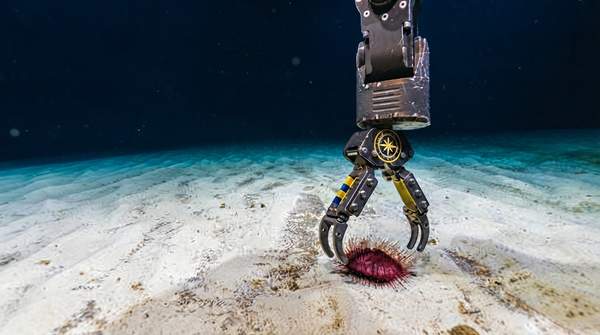
Researchers utilized sonar surveys and an underwater drone to precisely map and confirm the existence of this mesophotic coral garden off the coast of Benin, as reported by Frontiers. This technological approach was critical for deep-sea exploration. The survey positively identified eight coral types and eight different species of fish living among them.
The deployment of advanced technology, instrumental in confirming this unrecorded mesophotic coral garden's vitality, marks a profound advancement in marine biology. It offers a new paradigm for studying deep-sea habitats and their hidden complexities. The confirmed biodiversity elevates the site's scientific importance, hinting at undiscovered ecological processes at play.
Decades of Presumed Loss
The coral reef ecosystem off Benin was believed to be dead for six decades, according to The Times of India. This long period of presumed demise exposed a significant blind spot in marine biodiversity mapping and monitoring, especially for deeper, less accessible habitats. The lack of detection for so long points to the challenges of comprehensive oceanic surveys.
The reef's rediscovery challenges the prevailing assumption that certain marine environments are irreversibly lost or beyond recovery. This suggests that some deep-sea ecosystems might possess an inherent, unobserved capacity for self-recovery, even without direct human intervention. The thriving biodiversity after six decades of being considered lost indicates these deep-sea environments might act as critical, unacknowledged refugia for marine life.
The profound surprise of finding such a vibrant ecosystem thriving after decades of presumed loss reshapes our understanding of marine health. This unexpected resilience prompts a re-evaluation of how such environments are assessed and monitored. It suggests that some 'lost' ecosystems may be silently recovering, warranting renewed protection efforts focused on preservation rather than just restoration.
Implications for Deep-Sea Conservation
The rediscovery of a thriving coral reef off Benin, presumed dead for 60 years, strongly suggests that current marine conservation efforts may be misallocating resources, according to Nautilus. These efforts might overlook the silent resilience of deeper, less-explored ecosystems. A focus on visible degradation alone may miss vital signs of recovery in other areas.
The existence of this 'first confirmed record of a living mesophotic coral ecosystem on the Gulf of Guinea continental shelf' exposes a critical knowledge gap in global marine biodiversity, as reported by Nautilus and Frontiers. This implies many more 'lost' or unknown deep-sea habitats could be acting as vital ecological strongholds. Such discoveries reshape understanding of ocean health.
Given this profound rediscovery, it appears likely that by 2026, marine conservation organizations will increasingly integrate deep-sea surveys into their primary objectives, seeking to identify and protect these hidden, resilient ecosystems beyond traditional shallow-water focus.