
Ocean Acidification
5 articles
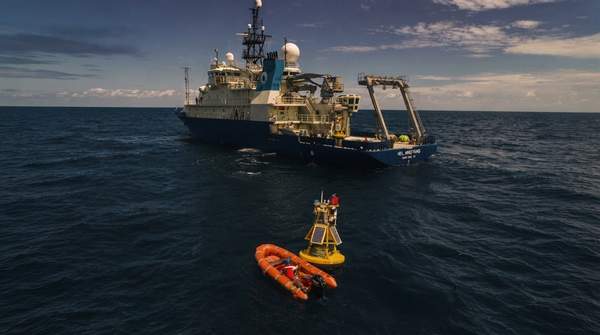
Satellites, Drones, and Buoys: How Scientists Track Ocean Acidification Across Three Very Different Scales
Scientists monitor ocean acidification by integrating data from satellites, drones, and in-situ instruments, each offering unique scales and insights to build a comprehensive global picture of changing ocean chemistry.
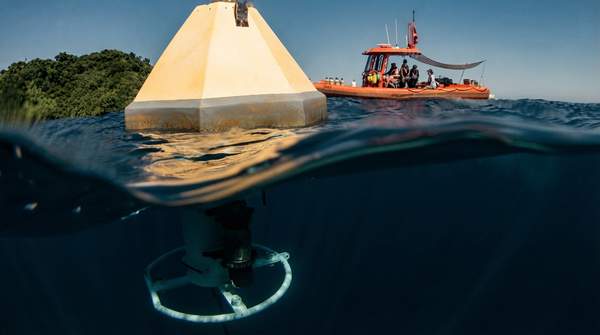
Buoys, Ships, or Satellites? Matching the Monitoring Method to the Ocean Acidification Question
Monitoring ocean acidification involves a trade-off between temporal and spatial resolution, with moored buoys offering continuous local data, ship-based sampling providing broad regional coverage, and satellites enabling large-scale remote observation. The optimal method or combination of methods depends on the specific research or management question being addressed.

New Nature Study Reveals Unexpected Risks, Complicating Ocean Alkalinity Climate Solution
A new Nature study reveals that ocean alkalinity enhancement (OAE), a proposed climate solution for CO2 removal, faces unexpected challenges. Research indicates natural oceanic processes can reduce OAE's efficiency and that it may negatively impact marine life, complicating its deployment.

What is Ocean Acidification and Why Does It Threaten Marine Life?
The ocean's acidity has surged by 25-30% since the pre-industrial era, a rate faster than any known change in ocean chemistry in the last 50 to 60 million years.

Biscayne Bay Ecosystems Face Intensifying Threats Despite Seagrass Recovery
In a bay increasingly defined by rising temperatures and acidity, Biscayne Bay's overall condition surprisingly improved from "poor" to "fair" in its 2026 Report Card, according to CBS News , even as