
Quantum Computing
8 articles
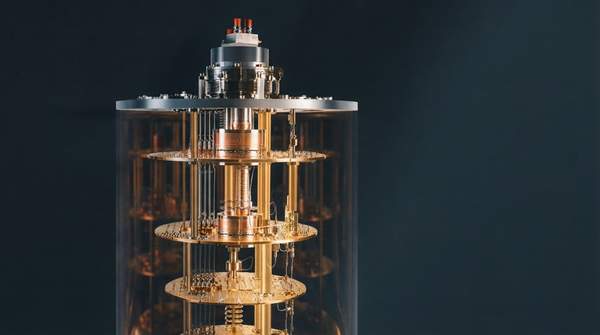
Shor's vs. Grover's: The Two Quantum Algorithms That Define the Field's Promise
Shor's and Grover's algorithms are foundational quantum computing proofs of advantage, demonstrating exponential speedup for factoring (threatening cryptography) and quadratic speedup for search, respectively. Their distinct capabilities highlight both the immense promise and inherent limits of quantum computation.
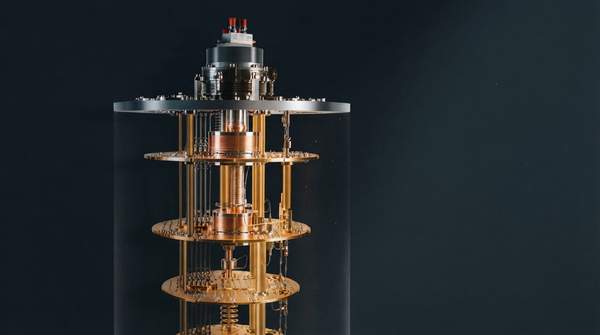
Why Quantum Computers Simulate Molecules Better: VQE, QPE and the Limits of DFT and CCSD(T)
Quantum computers possess a structural advantage for molecular simulation by operating on the same quantum-mechanical rules that govern chemistry, outperforming classical methods like DFT and CCSD(T) for complex molecules. Algorithms such as VQE and future QPE promise higher accuracy and scalability for drug discovery and materials science where classical approaches falter.
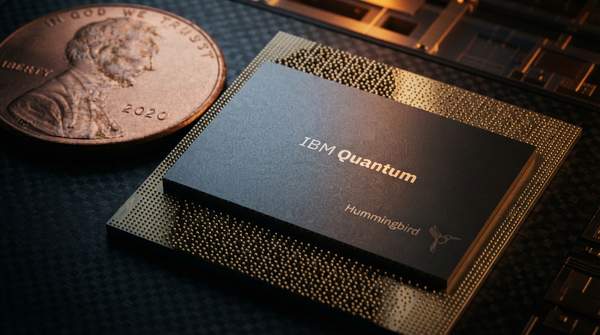
How Superposition and Entanglement Give Qubits Their Exponential Edge Over Classical Bits
Quantum computers derive their power from superposition, allowing qubits to exist in multiple states simultaneously, and entanglement, which binds qubits into a single interdependent system. Together, these principles enable n qubits to occupy a superposition of 2^n states, providing an exponential computational advantage over classical bits.
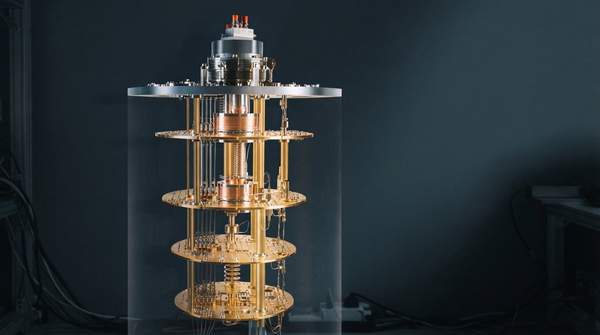
Where Quantum Computing Actually Helps in Drug Discovery—and How to Tell If Your Problem Qualifies
Quantum computing is a specialized tool for computationally intractable pre-clinical drug discovery problems, with near-term value found in hybrid quantum-classical approaches for molecular simulation and protein folding. Evaluating its applicability requires identifying classical bottlenecks, matching them with specific quantum algorithms, and assessing feasibility within current hardware constraints.
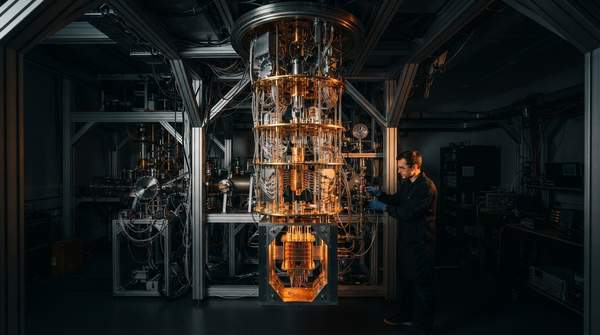
How Dilution Refrigerators Create the Deep Freeze for Quantum Computers
Dilution refrigerators are complex, multi-stage systems that leverage helium isotopes to achieve the ultra-low temperatures required for superconducting quantum computers to operate. Overcoming significant engineering challenges in heat management, vibration isolation, and scalable testing is key to advancing this technology.
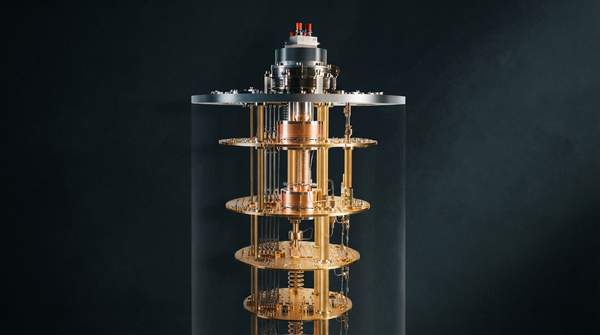
Quantum Annealing vs. Gate-Based Computing: Two Distinct Paths to Quantum Power
Quantum computing is not monolithic, featuring two main approaches: specialized quantum annealing for optimization and universal gate-based computing for general algorithms. Understanding their distinct operational principles, problem-solving niches, and hardware maturity is key to choosing the right quantum technology.

European Innovation Council funds dual-use tech startups
Once focused on green energy and health, the European Innovation Council (EIC) now actively recruits experts to evaluate quantum computing and artificial intelligence projects explicitly designed for

What Are Quantum Computing Principles and Their Scientific Simulation Applications?
Simulating a universal quantum computer with just 50 qubits requires an astonishing 2 petabytes of memory, a computational feat that pushes even the most powerful classical supercomputers to their abs