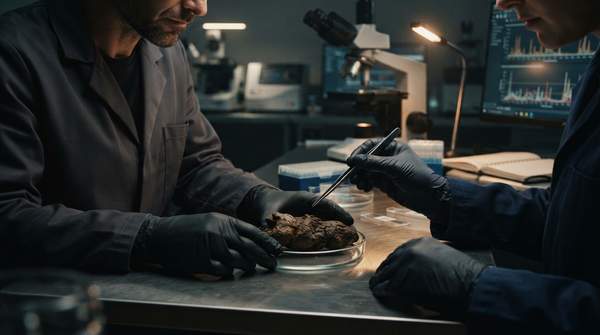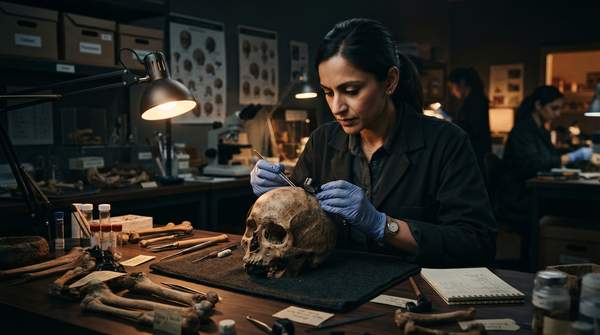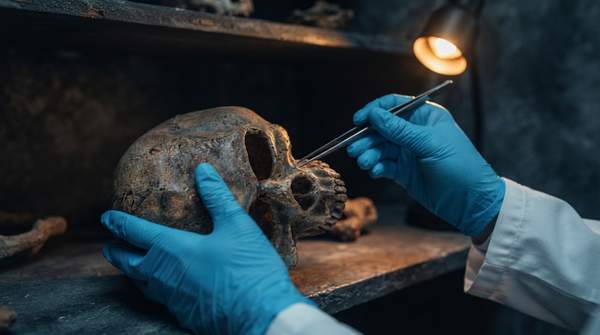
Ancient DNA never yields itself easily. Recovering genetic material from a thousands- or even millions-of-years-old bone or tooth is not a single laboratory act but a disciplined sequence of stages—sample preparation, DNA extraction, library preparation, sequencing, and bioinformatic analysis—each guarded by controls designed to catch the field's two great enemies: modern contamination and post-mortem degradation. Understanding that sequence, and the safeguards threaded through it, is what separates a trustworthy ancient genome from an accidental portrait of the people who excavated and handled the specimen.
Introduction: Unlocking the Past with Ancient DNA
The field of ancient DNA, or aDNA, continues to push the limit of DNA recovery further back in time, enabling ever more in-depth studies of evolution. One striking marker of how far the discipline has traveled: researchers have retrieved million-year-old mammoth DNA, which has improved understanding of mammoth migration, speciation, hybridisation and adaptation to cold environments, as described in a high-throughput extraction method paper published in the journal Ecology and Evolution. That reach is possible only because the workflow behind each result has become extraordinarily careful.
The central difficulty is arithmetic. The amount of DNA surviving in an ancient sample is tiny, and it is not distributed evenly. According to a laboratory protocol published in Nature Protocols by David Reich's group at Harvard Medical School, endogenous ancient DNA content and contamination with microbial and human DNA can vary substantially within one sample—even on a microscale. A fragment of bone that looks promising may, a few millimeters away, hold almost nothing usable. This variability shapes nearly every decision that follows, from where to cut the sample to how many extracts to attempt.
This article traces the general workflow of aDNA analysis, focusing on the most common substrates—bone and teeth. It is an explanation of how the science works, not a manual for doing it.