
All Stories
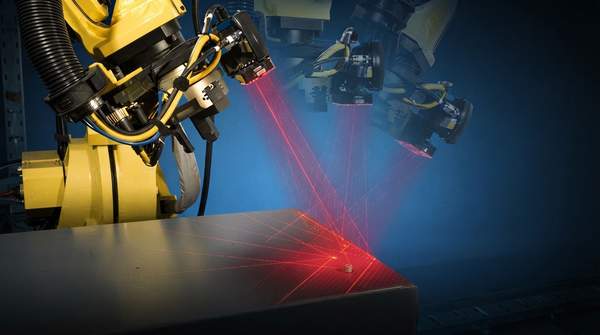
Direct vs. Indirect Time-of-Flight: Choosing the Right 3D Sensor
Time-of-Flight (ToF) 3D sensing technologies, Direct (dToF) and Indirect (iToF), differ fundamentally in how they measure light travel time. dToF uses precise pulse timing for long range and outdoor robustness, while iToF employs phase shift for high resolution in shorter-range applications.

Chemical vs. Electric Propulsion: Matching the Engine to the Mission
Spacecraft propulsion systems, chemical and electric, offer a fundamental trade-off between high thrust for rapid maneuvers and superior fuel efficiency for long journeys. Understanding this distinction is crucial for selecting the right engine to match specific mission objectives and phases.
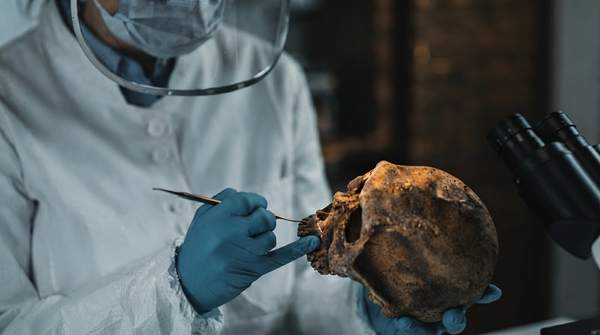
Shotgun vs. Targeted Capture: Choosing the Right Tool to Uncover Ancient Diseases
Scientists must choose between broad, untargeted shotgun metagenomics for discovering unknown ancient pathogens and sensitive, targeted DNA capture for screening known agents. This decision depends on the research question, sample quality, and cost, balancing discovery versus focused screening.
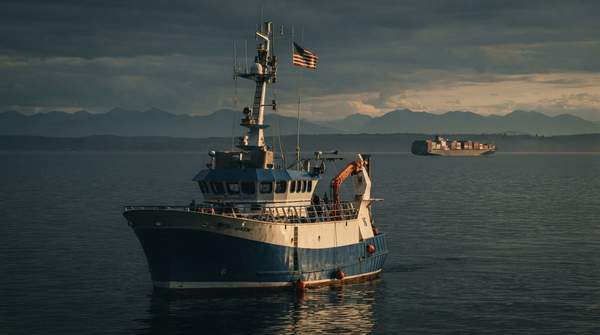
New Nature Study Reveals Unexpected Risks, Complicating Ocean Alkalinity Climate Solution
A new Nature study reveals that ocean alkalinity enhancement (OAE), a proposed climate solution for CO2 removal, faces unexpected challenges. Research indicates natural oceanic processes can reduce OAE's efficiency and that it may negatively impact marine life, complicating its deployment.
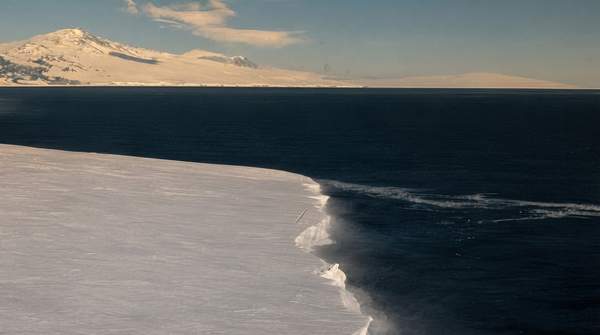
How Hidden Lakes Under Antarctica Accelerate Ice Shelf Collapse
Subglacial lake drainage beneath Antarctica releases freshwater that upwells warm ocean water, significantly accelerating ice shelf melting from below. This process destabilizes glaciers, weakens ice shelves, and contributes to faster sea-level rise, highlighting a critical gap in current ice sheet models.
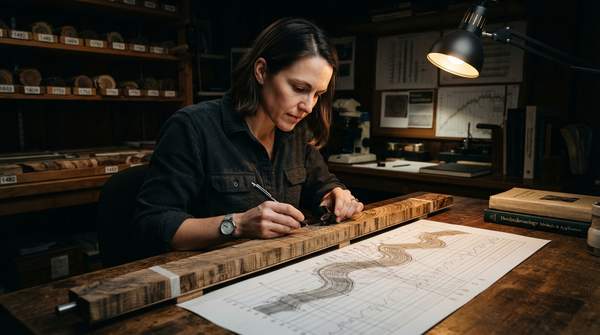
How Cross-Dating Unlocks the Secrets of Tree Rings
Dendrochronology uses cross-dating, the matching of unique tree-ring patterns across multiple trees, to assign exact calendar years to annual growth layers. This precise dating unlocks detailed insights into past climates, archaeological sites, and ecological events.
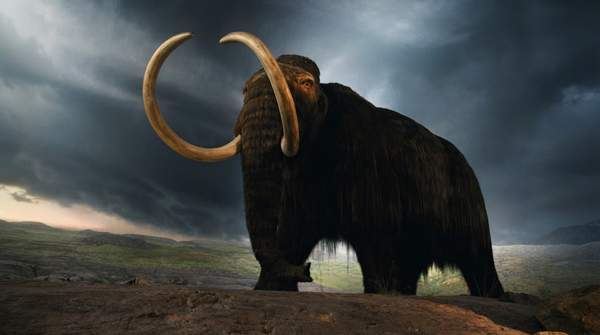
De-Extinction: A Framework for Evaluating the Science, Ethics, and Ecology
De-extinction, the revival of extinct species, presents complex scientific, ethical, and ecological challenges. A comprehensive evaluation framework is crucial for informed decision-making on these proposals.
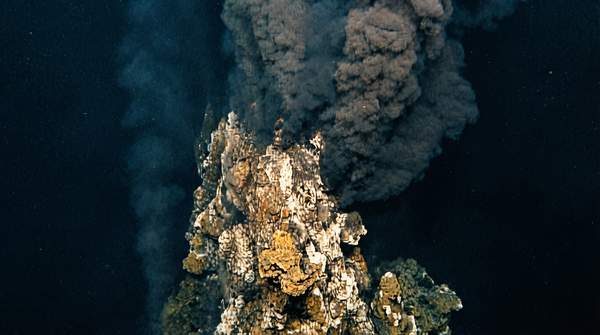
Chemical Clues to Alien Life: How Deep-Sea Vents Guide the Search
Deep-sea hydrothermal vents, powered by chemical energy, redefine our understanding of life's requirements and serve as primary models for astrobiologists. Studying their chemosynthesis pathways helps identify potential habitable environments on other planets and moons.
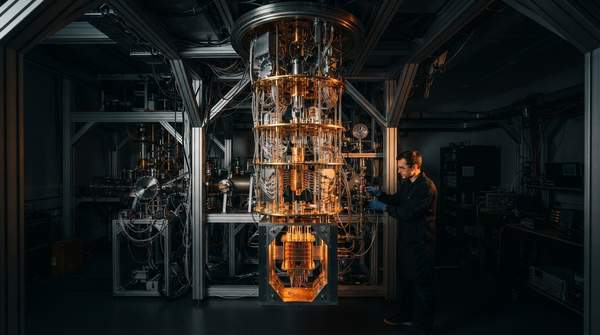
How Dilution Refrigerators Create the Deep Freeze for Quantum Computers
Dilution refrigerators are complex, multi-stage systems that leverage helium isotopes to achieve the ultra-low temperatures required for superconducting quantum computers to operate. Overcoming significant engineering challenges in heat management, vibration isolation, and scalable testing is key to advancing this technology.
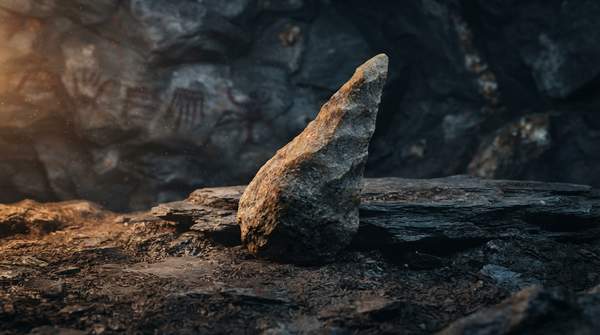
A Timeline of Early Human Ingenuity: How Stone Tools Trace Our Cognitive Evolution
Stone tools provide a tangible record of early human evolution, tracing cognitive development from simple choppers to complex, specialized implements over millions of years. The progression of toolmaking technologies directly reflects advancements in problem-solving, planning, and cultural transmission among our ancestors.

A Guide to the Four Types of Black Holes
Black holes are classified into four main types: stellar-mass, intermediate-mass, supermassive, and primordial, each distinguished by mass, origin, and observational status. This guide explores their unique characteristics and the ongoing scientific quest to understand these cosmic phenomena.
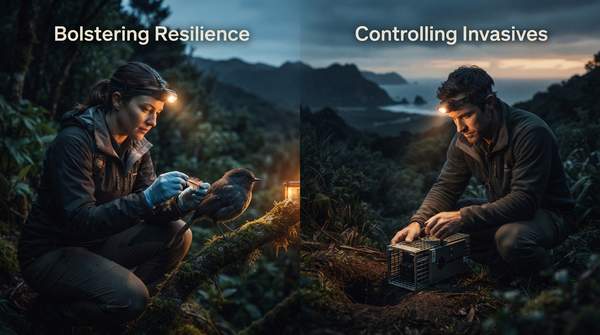
CRISPR's Two Paths in Conservation: Bolstering Resilience vs. Controlling Invasives
CRISPR gene-editing offers two distinct conservation strategies: enhancing endangered species' resilience or controlling invasive populations. Both approaches require careful evaluation of their unique ecological risks and ethical implications.
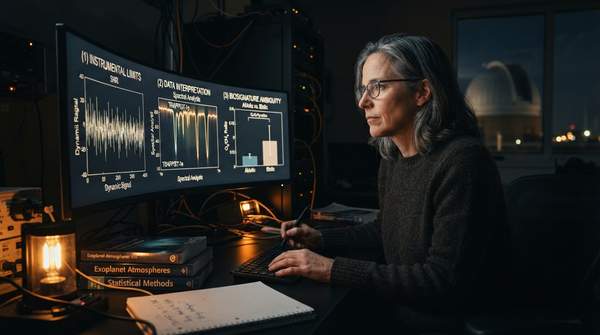
The Triple Challenge of Finding Life on Other Worlds
The search for life beyond Earth relies on detecting biosignatures in exoplanet atmospheres, a process fraught with immense difficulty. Scientists face three sequential hurdles: overcoming observational limits, accurately interpreting complex data, and definitively proving a biological origin over geological explanations.

Quantum Annealing vs. Gate-Based Computing: Two Distinct Paths to Quantum Power
Quantum computing is not monolithic, featuring two main approaches: specialized quantum annealing for optimization and universal gate-based computing for general algorithms. Understanding their distinct operational principles, problem-solving niches, and hardware maturity is key to choosing the right quantum technology.
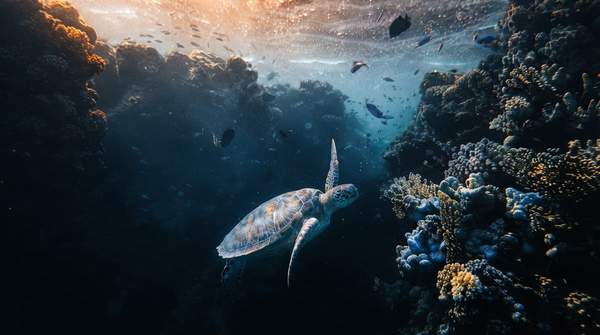
Spanish Underwater Cave Offers Lifeline to Corals Amid Warming Seas
An underwater cave in Spain, Cova de la Vaca, is identified as a critical microrefugium, offering a sanctuary for white gorgonian corals against warming seas and marine heatwaves. The stable, cooler conditions within the cave significantly reduce coral mortality and preserve reproductive capacity, highlighting its importance for conservation.
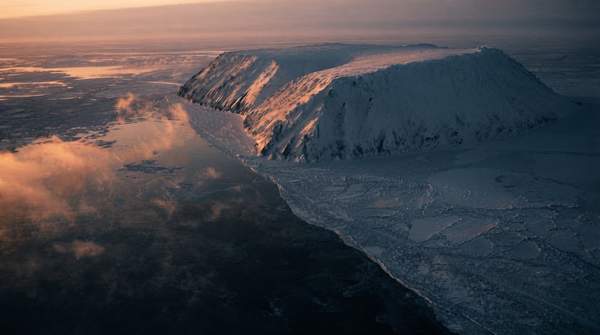
How Thawing Permafrost Creates a Climate Feedback Loop
Rising global temperatures are thawing Arctic permafrost, releasing vast stores of ancient organic carbon as greenhouse gases like CO2 and methane. This process creates a self-reinforcing feedback loop, where released gases cause further warming, leading to more permafrost thaw and accelerated climate change.
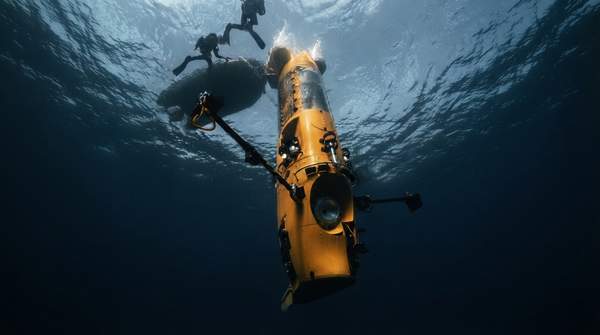
Comparing Key Technologies for Hydrothermal Vent Research
This article compares Remotely Operated Vehicles (ROVs), Human-Occupied Submersibles, Autonomous Underwater Vehicles (AUVs), and Submersible Incubation Devices (Vent-SIDs) for deep-sea hydrothermal vent research. It details their distinct capabilities to aid scientists in selecting the most appropriate tools for their specific research objectives.
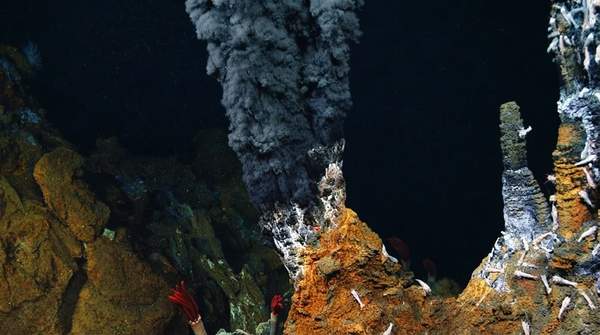
Deep-Sea Vents: A Blueprint for Life Beyond Earth
Deep-sea hydrothermal vents host unique ecosystems powered by Earth's internal heat and chemosynthesis, redefining our understanding of life. These sunless environments serve as a primary model for how life might exist on other ocean worlds and potentially where life on Earth began.
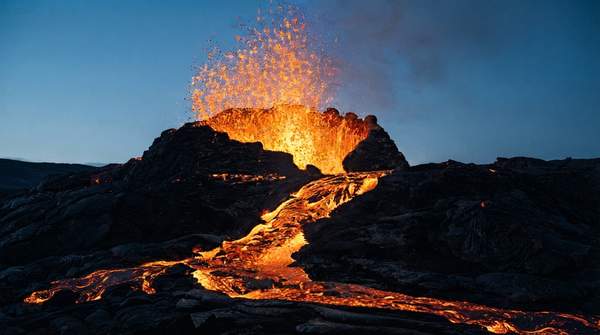
Understanding Volcanic Activity: Plate Tectonics, Eruption Styles, and Hazard Monitoring
Volcanic activity is driven by plate tectonics and hot spots, influencing eruption styles and hazards like ashfall and pyroclastic flows. Scientists monitor seismic activity, ground deformation, gas emissions, and hydrologic changes to assess risks and ensure public safety.

The Human Microbiome: Key Communities, Functions, and Disease Links
The human microbiome, a complex ecosystem of microorganisms, plays vital roles in health, from nutrient metabolism to immune regulation. Disruptions, or dysbiosis, are increasingly linked to various diseases, though causal mechanisms are still under investigation.
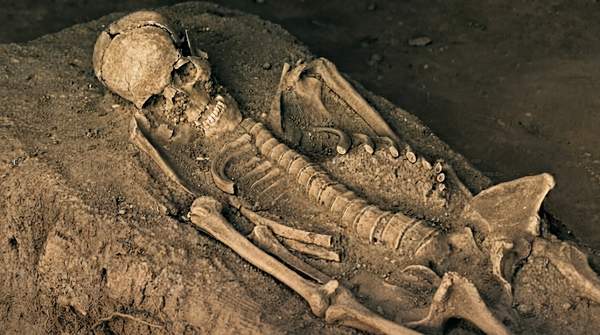
Comparing Techniques for Reconstructing Ancient Hominin Diets
Understanding ancient hominin diets is crucial for evolutionary studies. This article compares Stable Isotope Analysis, Dental Microwear Texture Analysis, and Paleoproteomics, highlighting their strengths, limitations, and the benefits of multi-proxy approaches for robust dietary reconstructions.

Choosing the Right Eye in the Sky: A Guide to Satellite Remote Sensing for Climate Monitoring
Satellite remote sensing offers crucial tools for climate monitoring, with Lidar, SAR, and Optical/Thermal Infrared technologies each providing unique strengths and limitations. Understanding these distinct capabilities is essential for selecting the right sensor for specific climate impact assessments.
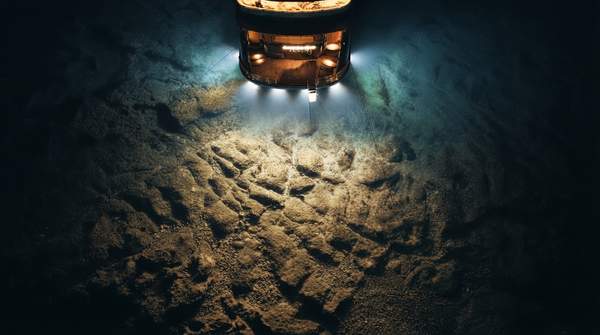
South Korea's Strategic Pursuit of Deep-Sea Minerals
South Korea is strategically expanding its deep-sea exploration to secure critical mineral supplies and diversify supply chains, driven by its status as a mineral-poor nation. The country actively engages with the International Seabed Authority (ISA) and is developing its domestic legal framework for this emerging sector.
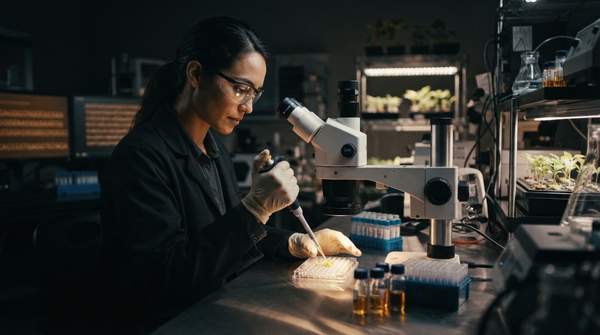
CRISPR-Cas9: Precision Gene Editing Beyond Human Therapeutics
CRISPR-Cas9 is a revolutionary genome editing technology offering unparalleled precision in modifying DNA sequences. Its applications extend far beyond human medicine, transforming agriculture, conservation efforts, and fundamental biological research.